Building New in Southwest Louisiana: The Questions to Ask Before You Sign
Building a house here is not the same project as building one somewhere without hurricane season and soft, wet ground.
September 8, 2026 · 3 min read
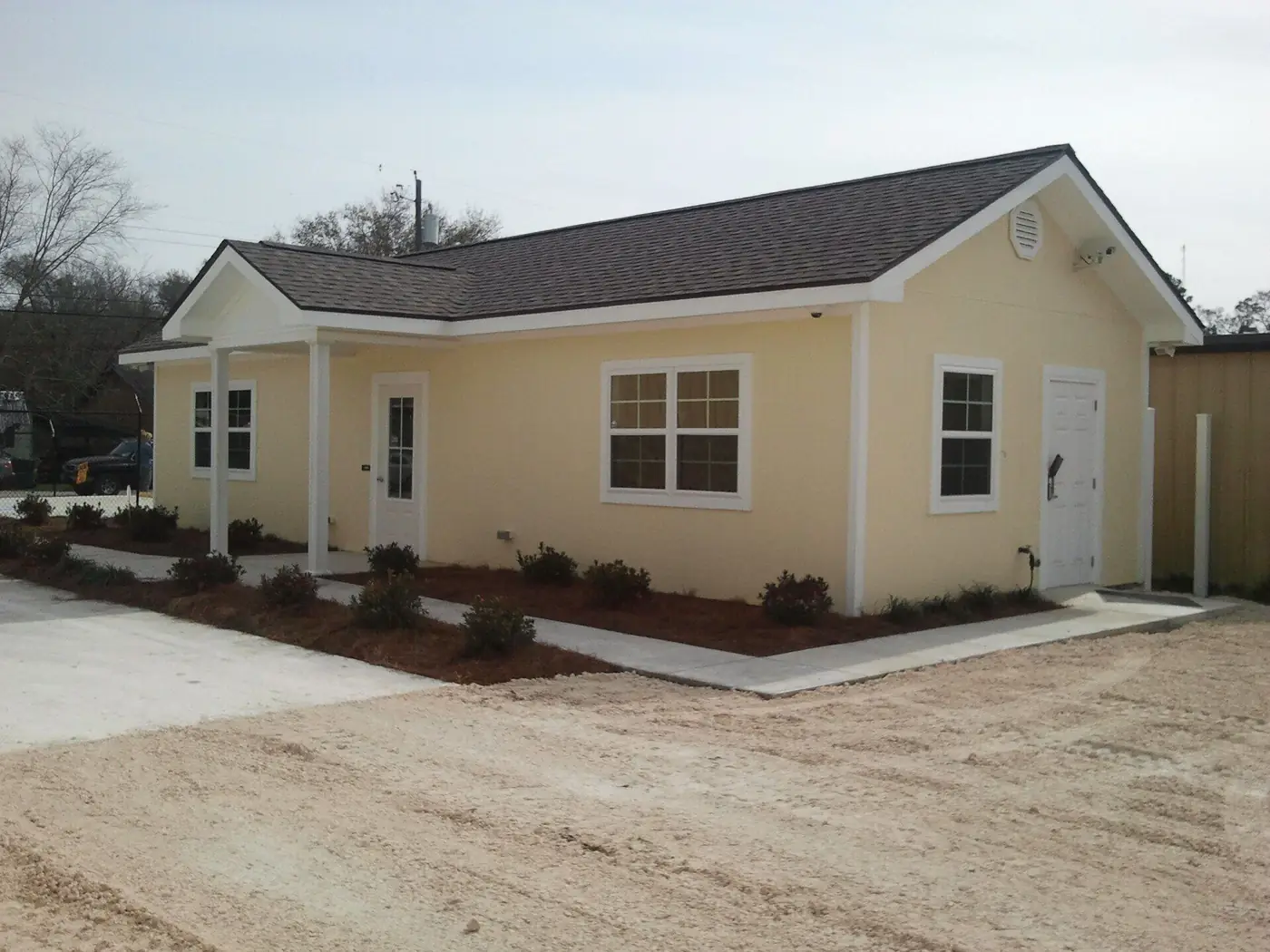
If you've priced out new construction with a builder from outside the area, or even watched a home-building show set somewhere landlocked and dry, you've probably noticed the plans don't quite match what you see driving around Lake Charles. There's a reason for that. Building new here comes with a specific set of ground and weather conditions that change how the house actually gets built, not just how it looks when it's done.
Why some houses here sit up on pilings
Drive through parts of Southwest Louisiana and you'll see homes elevated well above ground level on pilings, sitting above the flood plain rather than on a slab poured at grade. That's not a stylistic choice. Parts of this region sit low, with soft, water-retentive soil and real flood risk during heavy rain events and storm surge. An elevated build changes the foundation work substantially compared to a standard slab home, and it changes how the utilities, stairs, and under-house space get planned. Whether your lot needs this kind of approach, or whether a standard slab is appropriate, is one of the first things a builder should assess when they walk the property, not something decided after the plans are already drawn.
Storm season isn't a footnote, it's a scheduling reality
Hurricane season here runs from June through November, which overlaps with a large chunk of the calendar year that's otherwise good building weather. A contractor who has worked in this region for a long stretch plans around that reality rather than getting surprised by it every year. That means realistic conversations about how weather delays get handled, what happens if a named storm is tracking toward the coast while your roof is open mid-framing, and how materials on site get protected if a delay happens. None of this should feel like a surprise mid-build. It should come up in the very first conversation.
Questions worth asking before you sign anything
- Has this builder worked on this specific type of lot before, whether that's low ground, a flood zone, or a standard buildable lot inland?
- Do they handle both the foundation decision and the full build themselves, from site work through final trim, or are you coordinating separate trades?
- What's their plan if a storm is approaching while your house is mid-construction?
- Can they show you a completed project, ideally one you can see in person, not just in photos?
- Are they licensed, bonded and insured, and will they confirm that in writing?
One contractor, start to finish
Sade Construction describes its new construction work as running from inception to completion, on both residential and commercial projects, backed by over thirty years serving Southwest Louisiana. In practice that means the same team that handles the site work and foundation is also the team pouring the slab or setting the pilings, framing the house, drying it in, and carrying it through to handover, rather than a general contractor subcontracting each stage to a rotating cast of crews you never meet. There's real value in that kind of continuity when something needs to be traced back to a decision made early in the build.
If you're a veteran, it's worth asking directly about a discount, since that's something the company offers as a veteran-owned business. It won't be advertised on every page, and it costs nothing to ask.
Commercial builds carry their own version of this
Everything above applies just as much to a commercial new-build as it does to a house. A business owner putting up a new building deals with the same soil conditions, the same storm season, and the same question of whether the site needs to be elevated. The difference is that a commercial project usually adds a tighter deadline, since a business often can't open its doors until the building is done. That makes it even more important to have a contractor handling the whole job from site work through completion, rather than several trades working on separate timelines that all have to line up perfectly for the doors to open on schedule.
New construction is the biggest financial decision most homeowners in this region will make. Take the time to walk the lot with whoever you're considering, ask the questions above out loud, and pay attention to how directly they answer. The lot and the weather here don't leave much room for guessing after the fact.
Sade Construction, (337) 438-8921
Call (337) 438-8921More articles
Metal Roof Panels Explained: CF, AP, R-Panel, U-Panel and Corrugated
Every metal roof panel looks similar from the driveway. Up close, the differences decide how the roof performs for the next thirty years.
What Actually Happens When You Add a Room Onto Your House
An addition looks simple on paper. In practice it's a sequence, and knowing the sequence helps you plan for the parts that catch people off guard.