Metal Roof Panels Explained: CF, AP, R-Panel, U-Panel and Corrugated
Every metal roof panel looks similar from the driveway. Up close, the differences decide how the roof performs for the next thirty years.
September 8, 2026 · 3 min read
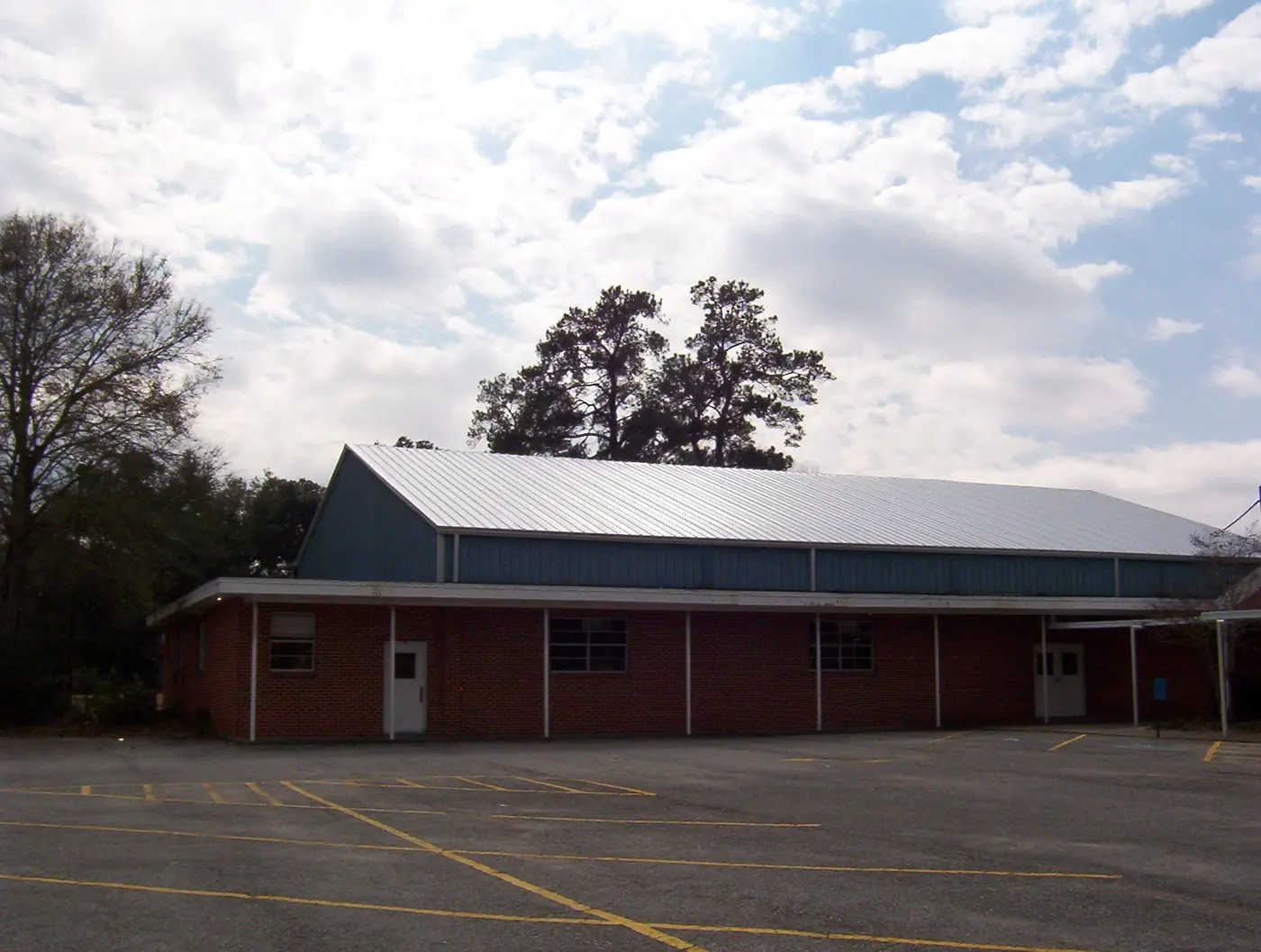
Ask five different roofers about metal panels and you'll hear five different opinions, mostly because there isn't one right answer. Sade Construction installs and repairs several panel systems, including CF panel, AP panel, R-panel, U-panel and corrugated panel, and each one earns its place for a different reason. If you're standing in your yard trying to decide which one belongs on your house, here's what actually separates them.
Standing seam versus exposed fastener, the real divide
Most metal panels fall into one of two families. A standing seam style panel, which is what CF and AP panels generally are, has raised ribs that interlock or clip together with no exposed screws on the visible face. Water runs down the panel and off the edge without ever meeting a fastener. An exposed fastener panel, which describes R-panel, U-panel and corrugated panel, is screwed straight through the flat of the panel into the framing below, with a rubber washer under each screw head to seal the hole.
That single difference drives almost everything else. A standing seam roof costs more up front because it takes longer to install and the panels themselves are more expensive to manufacture. In exchange, there's nothing on the roof face that can loosen, back out or wear through over time. An exposed fastener roof is faster and cheaper to put up, and it's a perfectly good roof, but the washers under those screws are a wear item. On a house you plan to live in for decades, that's worth knowing before you sign anything.
What each panel actually looks like
- CF panel and AP panel: concealed fastener, standing seam profiles with a clean, unbroken face. Common on higher-end residential and commercial builds where the look matters as much as the function.
- R-panel: the workhorse exposed fastener panel used on barns, shops and a lot of commercial buildings across Southwest Louisiana. Wide ribs, straightforward install, dependable.
- U-panel: a variation on the exposed fastener theme with a slightly different rib shape, often chosen to match an existing building or to fit a particular look.
- Corrugated panel: the classic wavy profile you've seen on sheds and older buildings for generations. Simple, economical, and still a legitimate roofing choice for the right structure.
What a Southwest Louisiana homeowner should actually weigh
Lake Charles weather is not gentle on a roof. Between the humidity, the salt air closer to the coast, and storm season bringing wind-driven rain most years, the roof spends its whole life working. That doesn't automatically mean everyone needs a standing seam roof. A detached garage or an outbuilding does perfectly well under R-panel or corrugated panel for a fraction of the cost. A primary residence, especially one with a lot of roof visible from the street, is where the standing seam profiles start to earn their premium, both in appearance and in having fewer penetrations for wind-driven water to find.
Daniel C, a reviewer who hired Sade after spring storm damage, needed fascia and soffit repair, not a full re-roof. That's a good reminder that most roofs don't fail all at once. Storm damage tends to show up first at the edges, the flashing, and the trim, long before the panels themselves give out. If you're seeing water stains on a ceiling or soft spots in the soffit after a storm, that's worth a look regardless of what's on the roof deck.
Repair or replace
Because Sade does both new installation and repair work, this doesn't have to be an all-or-nothing decision. A roof with isolated storm damage, a few loose fasteners, or a section that took a direct hit can often be repaired rather than torn off. A roof that's failing broadly, whether from age, corrosion, or a panel system that was never right for the building, is a different conversation. Either way, the honest first step is the same: get someone out to actually look at it before deciding which category you're in.
If you're building new or replacing an old roof, ask to see a sample of the panel profile in person before you decide. Photos and spec sheets flatten out the differences between systems in a way that a piece of actual metal in your hands does not.
Sade Construction, (337) 438-8921
Call (337) 438-8921More articles
What Actually Happens When You Add a Room Onto Your House
An addition looks simple on paper. In practice it's a sequence, and knowing the sequence helps you plan for the parts that catch people off guard.
Building New in Southwest Louisiana: The Questions to Ask Before You Sign
Building a house here is not the same project as building one somewhere without hurricane season and soft, wet ground.